Landscape Maintenance Tips for Homes with Pets and Kids

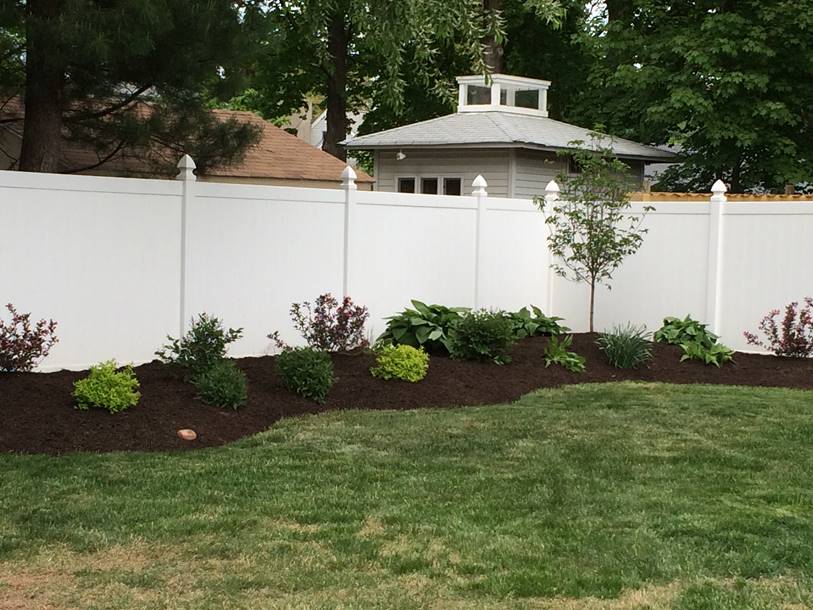

A yard that works for both children and animals rarely happens by accident. It is usually the result of steady, thoughtful landscape maintenance, a bit of trial and error, and a clear sense of how the space is actually used. Families often start with a picture in mind, lush lawn, neat planting beds, a patio for adults, maybe a play area tucked to the side. Then real life arrives. Dogs wear tracks along fence lines. Kids turn the softest corner of the lawn into a soccer field. Mud appears where no mud should be. Plants that looked sturdy in the nursery fold under rough play or constant paw traffic.
The good news is that a family-friendly yard does not need to look worn out or feel like a compromise. It simply needs to be maintained with a different set of priorities. Safety matters more than perfection. Durability matters more than delicate design. Easy cleanup matters more than high-maintenance features that only work when no one touches them.
Over the years, the best outdoor spaces I have seen for active families all shared one quality: they were managed like living spaces, not showpieces. The owners paid attention to traffic patterns, adjusted materials when something was not working, and made routine maintenance simple enough to keep up with through a busy week. That mindset is what keeps a yard usable in spring rain, summer heat, and the messy shoulder seasons in between.
Start with how your yard is really used
Before changing a mowing routine or replacing plants, spend a week observing the yard. Not the ideal version of it, the actual version. Where does the dog run first when the door opens? Where do the kids cut across the lawn instead of using the path? Which corner stays wet after irrigation or rain? Where does mulch end up scattered by the end of the day?
Those patterns tell you where maintenance pressure is highest. A narrow side yard may look tidy in photos, but if it is the daily route from the back door to the gate, it will compact quickly and struggle to support turf. A shady patch beneath a tree may seem like a good place for grass until the dog uses it as the preferred lounging area and the kids drag toys through it all afternoon. In those places, the right answer is often not better grass care. It is a more durable surface.
This is where practical landscape maintenance differs from aspirational gardening. You are not fighting your household’s habits. You are shaping the yard around them.
Lawn care needs to account for traffic, not just appearance
Lawns in homes with children and pets take a beating. Constant foot traffic compacts soil, weakens roots, and opens bare spots. Pet urine can create yellow patches, especially in hot weather or where a dog repeatedly uses the same area. Toys, splash pads, and temporary play equipment can also block light and trap moisture long enough to create thin grass or fungal problems.
Keeping turf healthy under those conditions requires a slightly tougher approach than the average weekly mow.
Mow a bit higher than you might for a purely ornamental lawn. In many regions, cool-season grasses perform better when maintained around 3 to 4 inches, sometimes a touch lower during strong spring growth and a touch higher during summer stress. Taller grass shades soil, holds moisture more evenly, and tolerates traffic better. Scalped turf, by contrast, looks neat for a day and then struggles for two weeks.
Aeration matters more in family yards than many people realize. If the lawn feels hard underfoot, drains poorly, or has thinning strips where kids run or dogs pace, compaction is likely part of the problem. Core aeration once a year, sometimes twice in heavily used lawns, can make a noticeable difference. Seed after aerating if your region and grass type support overseeding. You will usually get better establishment because seed settles into the holes and has better soil contact.
Watering needs a little discipline too. Many families water reactively, usually after they notice brown spots. Deep, less frequent watering tends to build stronger roots than shallow daily sprays. That said, active family lawns are not textbook lawns. If one zone dries faster because it gets extra heat from a patio and extra wear from play, treat it as its own micro-area rather than assuming the whole yard should receive identical irrigation.
When pet urine causes spotting, speed helps. Rinsing the area soon after use can dilute salts and reduce damage, though that is realistic only if the dog uses a fairly consistent spot. Some families create a designated relief area with gravel, decomposed granite, or pet-friendly artificial turf to take pressure off the main lawn. That approach is especially helpful for medium to large dogs, whose repeat use can destroy one section of grass quickly.
Plant choices should survive contact
A yard for adults can get away with plants chosen purely for texture, fragrance, or bloom. A yard shared with kids and pets needs tougher judgment. The first filter is safety. Avoid known toxic plants if there is any chance a curious child or animal will chew leaves, berries, or stems. The second filter is structural resilience. If a plant falls apart when brushed, bumped, or stepped near, it will become a maintenance burden.
Shrubs with flexible branching, dense habit, and moderate growth rates usually hold up better than brittle, sprawling selections. Ornamental grasses can work beautifully, but choose varieties that do not leave razor-sharp edges at child height and that can handle the occasional collision. Groundcovers are often smarter than finicky annuals along edges where feet and paws regularly cut through. In many yards, robust perennials outperform delicate flowering plants simply because they recover faster from incidental damage.
Mulch selection deserves more thought than people give it. Lightweight shredded mulch often migrates under active use. Dogs can kick it aside in seconds. Kids turn it into building material. Larger bark nuggets can become choking hazards for some pets, and cocoa mulch is widely avoided because of toxicity concerns. In play-adjacent planting beds, heavier wood mulch or fine gravel can stay in place better, provided the gravel size is not a swallowing risk for small children or pets. The right answer depends on age, breed, and behavior, which is why there is no single perfect material.
Create durable zones instead of asking one surface to do everything
One of the most common mistakes in residential yards is expecting turf to perform every job. Grass is asked to be a dog run, a ball field, a picnic area, a path, and a drainage surface all at once. Then homeowners wonder why it never looks strong.
The better approach is to divide the landscape into zones that match their use. That does not mean a rigid, overdesigned yard. It means recognizing that high-energy activities need stronger materials than a decorative lawn can provide.
A run path along a fence can be surfaced with compacted gravel fines, pavers, or a stabilized path material that drains well and resists rutting. A muddy shortcut from the patio to the playset often becomes manageable with stepping stones set into gravel or a widened walkway. A small dig zone for dogs can save nearby beds if it is intentionally built with loose soil or sand in a predictable spot. These changes reduce wear and lower the amount of weekly repair work.
I once saw a family spend two full seasons reseeding the same narrow corridor between the back deck and side gate. It never held. The dog used it fifty times a day, and the kids followed the same line with scooters. Replacing that strip with a simple paver path and a narrow border planting solved the problem in a weekend. The lawn looked better immediately because it was no longer being asked to survive an impossible amount of traffic.
Drainage problems get worse with pets and children
Poor drainage is inconvenient in any yard, but it becomes a constant headache in family spaces. Wet soil turns to mud under fast-moving feet. Dogs track it indoors. Children slip, dig ruts, and carry it onto patios and equipment. Persistent wetness also weakens turf roots and can promote disease in susceptible plants.
If one area stays soggy more than a day or two after rain, investigate the cause. Sometimes it is as simple as a downspout emptying too close to a lawn corner. Sometimes it is compacted subsoil left behind from construction. Sometimes a low spot naturally collects water and needs to be regraded or redirected.
Fast fixes, like throwing down extra seed or adding a thin topdressing, rarely solve a true drainage issue. Water has to go somewhere. Extending downspouts, adding a dry creek feature, adjusting grades, or installing a drain may be necessary. These are not glamorous upgrades, but they often deliver the biggest long-term improvement in day-to-day landscape maintenance because they remove the source of repeated damage.
For homes with young kids, also think about surface stability after irrigation. Sprinkler overspray onto hardscape can create slippery algae or slick moss over time, especially in shade. Redirecting heads, reducing run times, and occasionally scrubbing those surfaces is part of a safe maintenance routine.
Hardscape should be easy to clean and hard to slip on
Patios, walkways, and play-adjacent surfaces take more abuse in homes with pets and kids than in almost any other setting. Chalk, spilled drinks, muddy paws, food scraps, scooter tires, and pet accidents all leave their mark. Materials that look beautiful in a catalog can become frustrating if they stain easily or stay slick.
Textured concrete, quality pavers, and broom-finished surfaces tend to offer a better balance of traction and cleanup than highly polished stone. Loose gravel can work in some zones but often migrates into the lawn, indoors, and into play spaces. If you use it, edging matters. Wide mortar joints or uneven flagstone may look charming but can create trip points for running children and collect debris that is tedious to maintain.
Pressure washing has its place, but use it with restraint. Overuse can damage softer materials, strip joint sand from pavers, and gouge wood. In most family yards, a regular sweep, occasional hose-down, and spot cleaning with a mild soap do more for appearance than dramatic annual washing. If pet odors build up on a hardscape area, especially around a favorite corner, enzymatic cleaners formulated for outdoor use can help more than plain water.
Fences and gates are part of maintenance, not just security
Families often think of fences as a one-time installation, but in active homes they require regular inspection. Dogs test weak boards and dig beneath gaps. Children lean on latches, swing gates harder than adults expect, and sometimes discover how to open what should stay closed.
A fence line should be checked often enough that small issues stay small. Look for warping, loose pickets, rusting hardware, latch alignment, and erosion beneath panels. If your dog runs the perimeter whenever a neighbor passes, pay special attention to the bottom edge in those areas. Repeated pacing can carve trenches surprisingly quickly, and those trenches become escape opportunities.
Wood fences near irrigated beds may also decay faster than homeowners realize. If mulch or soil is piled against the base, moisture lingers. Pulling material back a few inches can extend the life of the structure and make inspection easier. It is not the most exciting part of landscape maintenance, but it is one of the most important for peace of mind.
Keep chemicals and tools on a short leash
The safest family landscapes are usually the ones with the simplest maintenance inputs. That means using fewer products, storing them properly, and applying them only when they are genuinely needed. Broad, routine applications of herbicides or pesticides often create more risk than benefit in a household where children play on the ground and pets investigate every scent.
When a treatment is necessary, timing matters. Apply according to label directions, keep everyone out of the area for the required interval, and never assume that once a surface looks dry it is automatically safe. Fertilizers deserve similar care. Granules left on sidewalks or patios can be tracked indoors or licked up by pets if they spill. Sweep hard surfaces thoroughly after application.
The same practical caution applies to tools. A tidy shed or storage bench saves more than appearance. It keeps pruners, string trimmers, fuel, and irrigation repair parts out of reach and prevents rushed cleanups that leave hazards behind.
A useful routine for busy households is this short safety check:
- Store all lawn products in sealed, labeled containers, off the ground if possible.
- Rinse and put away hand tools immediately after use.
- Sweep fertilizer or seed off hard surfaces the same day.
- Check gates and latches before letting children or pets into the yard.
- Remove broken toys, sticks, or sharp storm debris before mowing.
Maintenance gets easier when cleanup is built into the design
Good landscape maintenance is often less about working harder and more about reducing repetitive friction. If every outdoor session ends with muddy shoes, scattered mulch, and toys hidden in shrubs, the yard is fighting you. Small design adjustments can change that.
A hose bib placed near the main play zone makes rinse-offs fast. A compact bench with storage by the patio reduces toy sprawl. A short stretch of hardscape outside the back door can catch dirty paws before they hit the house. Wide bed edges make mowing easier and reduce the need for trimming around vulnerable plants. Even something as simple as relocating a water bowl onto a washable surface instead of bare soil can prevent a chronic muddy patch.
These are not dramatic upgrades, but they add up. Families who maintain their yards successfully tend to remove obstacles one by one. They do not rely on motivation. They make the next right task easier.
Seasonal adjustments matter in active yards
The family yard that performs well in April may struggle by August. Use patterns shift with school schedules, weather, and daylight. Landscape maintenance should shift too.
In spring, focus on repairing winter damage before traffic ramps up. That usually means checking drainage, refreshing worn turf, pruning storm damage, and resetting bed edges that softened over winter. Spring is also when many families discover where mud consistently forms. https://maps.app.goo.gl/yt4eVTaFJanxjen28 Make notes then, because the evidence disappears in summer.
Summer is the season when overuse shows. Grass can thin quickly under heat and constant play, especially if irrigation is uneven. Mulch may need topping off in exposed beds, and patios often need more frequent sweeping or rinsing because meals and outdoor activity increase. This is also when paw comfort matters most. Some surfaces become far hotter than homeowners expect. If a patio or synthetic turf is uncomfortable for your hand, it is likely too hot for a dog’s paws.
Autumn is ideal for many turf repairs, aeration, and soil improvement tasks in cool-season regions. It is also a smart time to thin or reshape overgrown plantings before winter traps leaves and debris in every dense corner. Families often skip this because school routines restart, but a few weekends of fall work can save months of spring frustration.
Winter maintenance is quieter, though not irrelevant. Frozen lawns are more vulnerable to traffic damage than many people realize. Repeated running over brittle turf can shear crowns and lead to weak recovery. Salt or deicing products near planting beds also deserve caution because both pets and plants can suffer if the wrong materials are used excessively.
If you want a simple seasonal focus, keep it to these priorities:
- Spring, repair drainage problems and high-traffic turf before heavy use begins.
- Summer, protect stressed lawn areas and watch surface heat on patios or turf.
- Fall, aerate, overseed, and cut back overgrown plants while conditions favor recovery.
- Winter, limit traffic on frozen grass and manage deicing materials carefully.
Accept a different standard of beauty
One of the healthiest shifts a homeowner can make is letting go of the idea that a family yard should look like a display garden. The best yards for kids and pets usually have a certain life to them. You can see where games happen, where the dog naps in the afternoon, where herbs get clipped for dinner, where someone dragged a hose and forgot to rewind it perfectly. That is not failure. It is evidence that the space is being used well.
What matters is whether the yard feels safe, functions reliably, and recovers quickly from ordinary use. A few worn blades along the soccer route are less important than solid drainage. A slightly scuffed patio matters less than knowing it will not become slick after every watering cycle. Landscape maintenance in these homes is not about freezing the yard in a pristine state. It is about keeping it healthy enough to absorb daily life.
That often means choosing resilience over delicacy and routine over rescue. It means noticing patterns early, fixing root causes instead of symptoms, and understanding that the most successful family landscapes are managed with realism. Children grow, pets age, habits change, and the yard should change with them. If the maintenance plan respects that, the landscape stays attractive without becoming another full-time job.
Majestic Mowing & Landscaping LLC
Phone number: +19733975532
FAQ About Landscape Maintenance
What is landscape maintenance?
Landscape maintenance is the ongoing care, cleaning, and upkeep of outdoor green spaces to keep them healthy, safe, and attractive.
Is $100 an hour too much for landscape work?
An hourly rate of $100 is not too much for specialized or professional landscape work, though it sits at the higher end of the standard pricing spectrum.
How much do landscapers charge for maintenance?
For professional landscaping maintenance, homeowners typically pay $100 to $410 per month for recurring services, or an hourly labor rate of $50 to $100 per hour per crew member.